

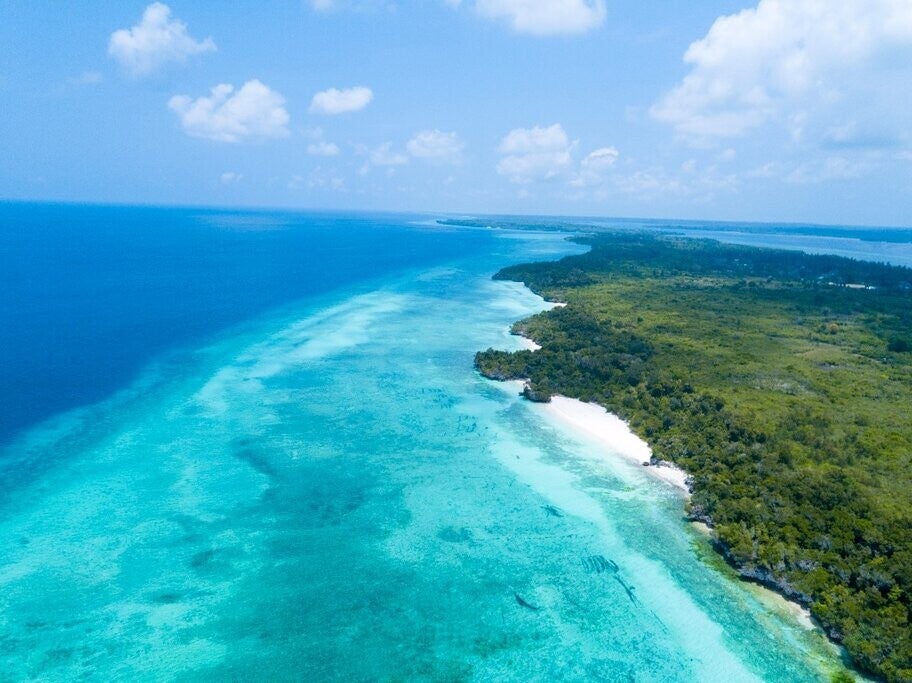
Pemba island: the undiscovered gem
Pemba Island
Pemba, the lesser-known sister island of Unguja, is often described as a paradise for adventurers and nature enthusiasts. Known as "The Green Island" due to its lush, verdant landscape, Pemba boasts rolling hills, fertile valleys, and dense forests. The island's tranquility and unspoiled beauty provide a stark contrast to the busier Unguja, making it a perfect destination for those seeking serenity and a deeper connection with nature.
Pemba is renowned for its world-class diving sites, with pristine coral reefs and abundant marine life. The waters around Pemba are teeming with vibrant corals, tropical fish, and larger marine species such as turtles, dolphins, and reef sharks. Popular diving spots include Mesali Island Marine Reserve and the underwater cliffs of Fundo Gap, which offer breathtaking underwater vistas and exceptional biodiversity.
The island's agriculture is dominated by clove production, and visitors can explore the clove plantations that have been a significant part of Pemba's economy for centuries. The island's rural villages and traditional Swahili culture provide an immersive experience into the local way of life, with opportunities to interact with friendly residents and participate in cultural activities.
Misali Island tour

Located off the west coast of Pemba Island, Misali Island is one of Zanzibar’s most breath-taking marine sanctuaries a true gem within the Pemba Channel Conservation Area. Known for its crystal-clear turquoise waters, untouched coral reefs, and vibrant marine biodiversity, Misali is often described as a “diver’s dream” and a “snorkeler’s paradise.” What makes Misali truly unique is its ecological richness and spiritual importance to local communities it’s said to be the spot where Prophet Khidr prayed, giving it deep cultural reverence. The island also serves as a nesting site for endangered green and hawksbill turtles, surrounded by over 40 species of hard and soft corals and more than 300 species of tropical fish.
Overview: Misali Island Snorkeling & Dolphin Experience
Morning: Departure & Dolphin Watching
Your adventure begins with an early morning pick-up from your hotel in Pemba, followed by a scenic drive to the western coast. Upon arrival, you’ll board a traditional dhow or speed boat heading toward Misali Island. As you sail through the calm blue waters, keep an eye out for bottlenose and spinner dolphins often seen playfully following boats along the Pemba Channel a magical start to your day.
Mid-Morning: Snorkelling around Misali Marine Park
Upon arrival at Misali, your guide will brief you on the island’s marine life and conservation efforts. You’ll then dive into one of East Africa’s most spectacular underwater worlds. The coral reefs here are exceptionally well-preserved, with visibility often reaching up to 30 meters. While snorkelling, you’ll encounter schools of colourful reef fish, sea turtles, rays, and a dazzling range of coral gardens. Both beginners and experienced snorkelers will find this an unforgettable experience.
Afternoon: Island Picnic & Beach Relaxation
After your snorkelling session, enjoy a picnic lunch with seafoods on the pristine white-sand beach, shaded by palm trees and surrounded by the sound of gentle waves. You can take a short nature walk along the island’s small trails, discovering hermit crabs, seabirds, and coastal vegetation. The island’s serenity and lack of crowds make it the perfect escape for relaxation and reflection.
Late Afternoon: Return Journey
In the late afternoon, you’ll sail back toward Pemba’s mainland, enjoying the tranquil views of the Indian Ocean. Depending on timing and weather, your crew may pause for a brief sunset view from the boat, capturing the final golden moments of your day at sea before returning to your hotel.
Shamiani Island Day Trip

Nestled off the southern tip of Pemba Island, Shamiani Island is a serene paradise surrounded by turquoise waters, lush mangroves, and untouched coral reefs. Located near Mkoani ferry, the island is part of the Pemba Channel Conservation Area and is celebrated for its emerald sandbank, crystal-clear lagoons, and authentic Swahili fishing village charm. Unlike other islands, Shamiani remains largely undiscovered, offering travellers a sense of exclusivity and connection with nature that defines the true beauty of Pemba.
Full-Day Shamiani Island Itinerary
Morning: Transfer & Snorkeling Adventure
Your day begins with a scenic boat transfer from Mkoani or nearby coastal lodges to Shamiani Island. Upon arrival, the crystal waters invite you to an unforgettable snorkeling experience. The coral reefs around Shamiani are teeming with marine life colorful reef fish, starfish, and vibrant coral gardens flourish in these protected waters. With calm conditions and excellent visibility, this area is ideal for both beginners and experienced snorkelers.
Midday: Emerald Sandbank Experience
After snorkeling, the boat anchors near the Emerald Sandbank, a breath-taking natural formation that appears during low tide. Here, you’ll enjoy time to relax on the powdery white sand, swim in shallow turquoise lagoons, and take stunning photos surrounded by nothing but the Indian Ocean’s shimmering blue hues. A beach picnic lunch can be served here fresh seafood, tropical fruits, and local delicacies under a shaded setup creating a truly idyllic island escape.
Afternoon: Shamiani Village & Cultural Tour
Later, continue your journey to Shamiani Village, where you’ll be warmly welcomed by locals. Walk through the small fishing community to learn about traditional lifestyles, coconut farming, and seaweed harvesting. Engage with villagers and discover Pemba’s rich Swahili culture, evident in their architecture, daily routines, and hospitality. This visit provides a rare opportunity to experience genuine island life, untouched by mass tourism.
Evening: Return to Main Island
As the afternoon ends, board your boat for a relaxing cruise back to Pemba’s main island, enjoying scenic coastal views and possibly a golden sunset over the Indian Ocean.
Ngezi Forest Tour

Tucked away at the northern tip of Pemba Island, the Ngezi Forest Reserve is the island’s last remaining stretch of indigenous tropical rainforest and one of Zanzibar’s most treasured natural sanctuaries. Covering nearly 1,400 hectares, this ancient forest is a living museum of biodiversity a tranquil refuge where towering mahogany trees, giant fig trees, and thick mangroves create a lush, emerald canopy alive with the sounds of nature.
A guided walk through Ngezi Forest is an unforgettable eco-adventure, offering visitors the chance to experience the untouched beauty of Pemba’s wilderness. Your journey takes you along shaded trails lined with ferns and orchids, where the air is filled with birdsong and the earthy scent of the forest floor. It’s home to rare and endemic species such as the Pemba Flying Fox (a large fruit bat found only on the island), the Pemba Sunbird, Pemba Scoops Owl, and playful monkeys that often peek curiously from the treetops.
As you explore deeper, your local nature guide will share fascinating insights about the unique ecosystem, medicinal plants, and the cultural importance of the forest to nearby communities. Many of the trees and herbs here have been used for generations in traditional healing and rituals, reflecting the deep bond between the people and their natural surroundings.
Ngezi also connects to the Vumawimbi Beach coastline, where the dense green forest suddenly opens to reveal powdery white sands and turquoise waters a breath-taking contrast of jungle and sea. The forest’s serenity, combined with its ecological richness, makes it an ideal destination for birdwatchers, photographers, and nature lovers seeking an authentic and peaceful experience.
Paza Island trip

Tucked away near the quiet fishing village of Chokocho in southern Pemba, Paza Island is one of the archipelago’s best-kept secrets a tranquil escape where nature and local culture blend beautifully. Unlike other islets famous for snorkeling or busy beaches, Paza Island offers a more authentic, land-based experience, inviting you to slow down and connect with the soul of rural Pemba.
Your journey begins with a traditional wooden boat ride from Chokocho, gliding through calm channels lined with lush mangrove forests. The ride itself is an adventure fisherman casting nets, birds resting on roots, and the rhythmic sounds of nature surrounding you. Upon reaching Paza Island, you’ll be greeted by its peaceful atmosphere and warm local smiles.
Spend your day walking through the island’s small village, where life moves at a gentle pace. Meet friendly residents and learn about their daily activities such as fishing, coconut harvesting, and seaweed farming. The villagers are proud storytellers, eager to share tales of the island’s history and the deep cultural ties between people and nature.
A highlight of the visit is exploring the ancient mangrove ecosystem, home to diverse marine and bird life, and discovering the island’s natural landmarks the majestic giant baobab tree and the towering palm trees that have stood for generations. These trees are not only breathtaking to behold but also carry spiritual and ecological importance for the local community.
Take time to relax under the shade, enjoy a picnic-style local lunch, and listen to the sounds of rustling leaves and distant ocean waves. The experience is peaceful, educational, and deeply immersive — a reminder of the unspoiled beauty that defines Pemba. A Paza Island day trip is ideal for travelers seeking a deeper connection with nature and community a glimpse into authentic island life far from the crowds, surrounded by mangroves, palms, and timeless island serenity.
Kojani Island tour

Located off the north-eastern coast of Pemba, Kojani Island is one of the most culturally vibrant and densely populated islets in the archipelago. Known as the “Island of Fishermen,” Kojani offers visitors a truly authentic glimpse into traditional coastal life. The island is surrounded by shallow turquoise waters and coral reefs, with colorful wooden dhows dotting the horizon a testament to the community’s deep-rooted connection to the sea. Unlike many tourist destinations, Kojani remains largely untouched by modernization, preserving its rich Swahili traditions, ancestral heritage, and strong maritime culture.
Your day begins with a scenic boat ride from shoe of mainland, passing through calm blue waters as you approach the lively shores of Kojani. Upon arrival, you’ll be welcomed by friendly locals and guided through narrow sandy paths that weave between coconut palms and coral-stone houses. The village tour introduces you to the daily rhythm of island life from bustling fish markets to traditional dhow workshops where skilled artisans handcraft the very boats that power Pemba’s fishing economy.
Throughout the tour, you’ll gain insight into Kojani’s fishing legacy, as the island’s men set out to sea while women and children engage in seaweed farming and local trade. Visitors can interact with fishermen as they mend nets, learn how fish are traditionally dried and prepared, and even observe small-scale sailing techniques that have been practiced for centuries.
Enjoy a fresh seafood lunch prepared with locally caught fish, rice, and coconut sauce a true taste of Pemba’s coastal cuisine before relaxing by the beach or exploring the nearby coral formations. The surrounding waters offer excellent opportunities for light snorkeling and swimming, revealing colorful reefs and small tropical fish near the shoreline.
As the afternoon fades, you’ll board your boat for a leisurely return journey, taking in panoramic views of the island and the gentle glow of the setting sun over the Indian Ocean.
Pemba flying foxes tour

Head north to Kidike Sanctuary, near Kangagani village. Here, over 4,000 Pemba Flying Foxes a large, fruit-eating bat species found only on Pemba roost in tall trees. With their chestnut-red fur and fox-like faces, these bats are visible during the day and play a vital role in seed dispersal and forest regeneration.
Duration: Approximately 3–4 hours from pickup to return.
Guests will be picked up from their hotel by a professional guide and transferred to the peaceful countryside of Pemba Island. Enjoy a scenic drive through small villages, clove plantations, and lush tropical landscapes as the guide shares insights about local culture, agriculture, and daily life on the island.
The journey continues north toward the beautiful Kidike Flying Fox Sanctuary, located close to Kangagani village. This protected forest area is home to more than 4,000 Pemba Flying Fox, a rare fruit-eating bat found only on Pemba Island.
During the walk, guests will have the opportunity to see these fascinating bats with their chestnut-red fur and fox-like faces resting in the treetops. The guide will explain how they help the island’s environment through seed dispersal and forest regeneration, making them vital to the health of Pemba’s forests.
After exploring the sanctuary and enjoying the peaceful natural surroundings, guests will be transferred back to their hotel with memorable experiences of Pemba’s unique wildlife and conservation efforts
Fruits & Spice farm tour

Pemba Island, often called “The Green Island”, is world-famous for its lush spice plantations that have shaped both its history and identity. These farms, mainly located around Chake-Chake and Mtambwe, are a sensory paradise where the air itself is infused with the rich aromas of cloves, cinnamon, nutmeg, vanilla, and cardamom.
During your visit, you’ll be guided through aromatic groves where towering clove trees sway in the breeze, and farmers demonstrate the traditional cultivation and harvesting techniques passed down through generations. You’ll learn how each spice is grown, dried, and processed from the careful handpicking of clove buds to the art of peeling cinnamon bark and cracking nutmeg shells.
This experience is not just about observation but full immersion. Visitors are encouraged to touch, smell, and taste the fresh spices right from the source, discovering how each stage affects its flavour and fragrance. You’ll also have the opportunity to join local farmers in small harvesting activities, offering insight into their daily work and the deep cultural significance of spices in Pemba’s economy and cuisine.
Many spice tours also include a chance to sample spiced tea, local dishes, and essential oils, allowing you to appreciate how these natural ingredients are used in both traditional medicine and everyday life. Beyond the captivating scents and flavors, the tour supports local communities, helping to preserve Pemba’s agricultural heritage and promote sustainable farming practices.
Visiting Pemba’s spice farms is truly a journey through the island’s living history a celebration of nature, culture, and tradition that makes this corner of Zanzibar an unforgettable destination
Vumawimbi beach and sandbank

Located on the north western coast of Pemba Island, near the Kigomasha Peninsula, Vumawimbi Beach is one of the island most breath-taking and unspoiled stretches of coastline. Known for its endless white sands, turquoise lagoon, and tranquil setting, Vumawimbi remains largely untouched by development offering a rare glimpse into Pemba’s raw and natural beauty. The beach stretches for several kilometres, fringed by coconut palms and gentle dunes, creating a serene environment perfect for relaxation, swimming, and exploration.
Your day begins with a scenic drive to Vumawimbi, where you’ll be greeted by the crystal-clear waters of the Indian Ocean. Spend your morning strolling along the vast beach, enjoying a peaceful swim, or simply unwinding under the shade of palm trees. The calm, shallow waters make it an ideal location for snorkelling and spotting small reef fish close to shore.
After soaking in the tranquillity of Vumawimbi, your adventure continues with a short boat trip to a nearby sandbank, a stunning natural formation that appears during low tide. Here, surrounded by glistening turquoise waters, you’ll enjoy the perfect island escape. The sandbank offers incredible photo opportunities and a sense of total seclusion just you, the sea, and the sky. A picnic lunch can be set up on the sandbank, featuring fresh seafood, tropical fruits, and refreshing beverages.
In the afternoon, relax and swim in the calm lagoon or explore the surrounding marine life through light snorkeling. As the tide slowly rises and the sandbank begins to disappear, you’ll embark on your return journey, often accompanied by the soft colors of the sunset over the Pemba Channel.
Tumbe fish market Tour

Located on the northern coast of Pemba Island, Tumbe Fish Market is one of the island’s liveliest and most authentic local experiences. Set in the small fishing village of Tumbe, this market is the main trading hub for freshly caught seafood that fuels daily life across Pemba. Visiting the market offers a rare opportunity to witness the vibrant rhythm of the island’s coastal economy, where fishermen, traders, and villagers gather each morning to buy, sell, and socialize in a lively swirl of sights, sounds, and aromas.
Your Tumbe Fish Market Tour begins morning or afternoon, when fishing boats return from the Indian Ocean with their overnight catch. As the sun rises, the shoreline transforms into a bustling open-air auction pile of tuna, snapper, and octopus, squid, lobsters, and reef fish fill wooden trays while energetic traders call out prices. You’ll observe how traditional bartering and weighing methods are still used, providing an authentic glimpse into local trade customs passed down through generations.
This tour isn’t just about watching the market in action it’s about immersing yourself in the local lifestyle. You’ll meet the fishermen and vendors, hear stories about life at sea, and learn about the sustainable fishing practices that support the island’s delicate marine ecosystem. For photography lovers, the colourful chaos of the market from brightly painted boats to the vivid display of fish makes for stunning, candid shots of daily Pemba life.
After exploring the market, you can enjoy a short village walk through Tumbe, visiting local homes and small shops to understand how fishing shapes the community’s traditions and cuisine. In some tours, you may even sample freshly grilled seafood or traditional Swahili breakfast or lunch treats served by local women nearby.
Chake-Chake city tour

Located at the center of Pemba Island, Chake-Chake serves as the island’s bustling capital and historical hub, offering visitors an authentic glimpse into local life, Swahili heritage, and Pemba’s blend of African, Arab, and coastal cultures. This 3-hour guided city tour invites you to wander through the charming streets, old markets, and colonial-era landmarks that tell the story of an island rich in history and tradition.
Your exploration begins at the Old Fort, remnants of Pemba’s colonial past that overlook the town and its lively harbour. Here, your guide will share insights into how the island became an essential trade point for spices, slaves, and goods between Africa, Arabia, and Asia. As you continue through the narrow alleys, you’ll pass colourful local markets where traders sell spices, tropical fruits, handmade crafts, and vibrant fabrics an excellent opportunity to experience Pemba’s daily rhythm and interact with friendly locals.
Next, visit the Pemba Museum (Old Colonial Building), which houses fascinating exhibits on the island’s cultural evolution, early settlements, and maritime heritage. The museum provides a window into Pemba’s traditional architecture, local artistry, and centuries-old traditions still alive today. Nearby, you may explore the seafront promenade, where fishing dhows line the shore and the scent of cloves drifts through the air a perfect spot for photos and quiet reflection.
The tour also includes a walk through local neighborhoods and community centers, giving you the chance to witness everyday island life from schoolchildren playing to artisans carving wood or weaving palm products. For those interested in spirituality and local beliefs, optional stops include historic mosques and small shrines that reflect the island’s deep Islamic roots blended with coastal culture.
As the tour concludes, enjoy a refreshing cup of clove-spiced tea or fresh coconut water at a local café while taking in views over Chake Bay.
Mkumbuu Ruins
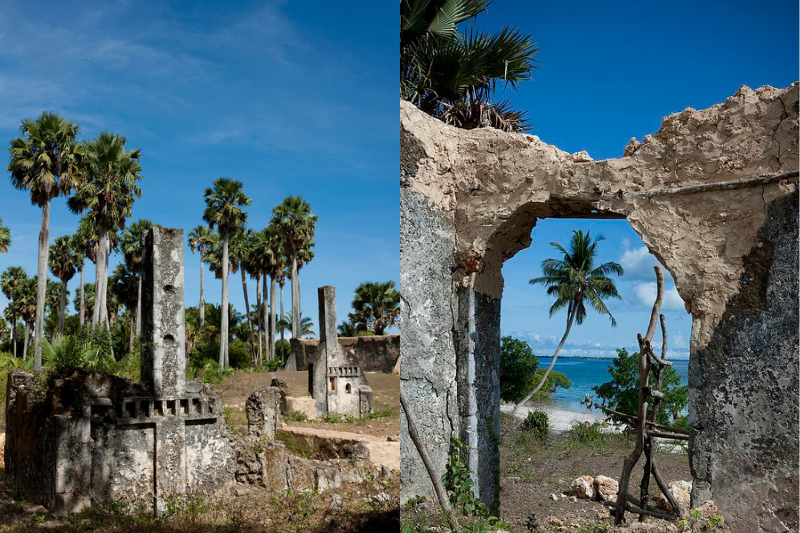
Nestled on the western coast of Pemba Island, near Chake-Chake, the Mkumbuu Ruins offer a fascinating glimpse into the island’s rich Swahili history. This archaeological site, believed to date back to the 9th–10th century, contains the remnants of an early Islamic settlement, including the foundations of stone houses, mosques, and tombs, reflecting the sophisticated architecture and urban planning of ancient Pemba communities. The site is particularly significant for understanding the trading networks that once linked East Africa with Arabia, India, and beyond, as Pemba was a vital hub in the medieval spice and ivory trade.
A 2-hour guided tour of Mkumbuu allows visitors to wander among the crumbling coral stone structures while learning about the people who once inhabited the area. Knowledgeable guides explain the historical context of the ruins, detailing the daily lives, religious practices, and social organization of the early Swahili settlers. Walking along the site, you can see the intricately constructed mosque walls and explore burial tombs, which offer insight into the spiritual and cultural life of Pemba’s ancestors.
The surrounding landscape, with its coastal views and scattered palm trees, adds a serene backdrop to the historical exploration. Photography enthusiasts will find endless opportunities to capture the contrast of ancient coral stones against the vivid greenery and sparkling Indian Ocean horizon.
Mkamandume Ruins

Hidden in the lush countryside near Pujini Village, just southeast of Chake-Chake, the Mkama Ndume Ruins stand as one of Pemba Island’s most fascinating historical landmarks. This site dates back to the 15th century and was once the fortified palace of the legendary ruler Mohamed bin Abdul Rahman, famously known as Mkama Ndume meaning “the Milker of Men.” The name itself reflects the ruler’s fierce reputation and the tales of power, defence, and intrigue that surround his reign.
Your 2-hour guided tour begins with a scenic drive through rural Pemba, where your guide will share stories about the island’s early Swahili settlements and the ancient trade routes that once linked Pemba to Arabia, Persia, and India. Upon arrival, you’ll explore the ruins of the stone fortress, walking among the remnants of thick coral stone walls, ancient wells, and the foundations of royal chambers. The site provides a vivid glimpse into the architectural style and strategic design of early Swahili civilization.
As you wander through the ruins, your guide will bring history to life with captivating legends about Mkama Ndume’s rule tales of his leadership, his conflicts with neighbouring chiefs, and the mysterious downfall of his kingdom. You’ll also learn how this once-bustling centre of power became an archaeological treasure that today reveals clues about Pemba’s political and cultural evolution during the medieval period.
Beyond its historical significance, the area around the ruins is surrounded by lush vegetation and rural villages, offering a peaceful and authentic backdrop for photography and quiet reflection. The gentle sounds of nature and the whispers of history create an atmosphere that feels both mysterious and timeless. A visit to Mkama Ndume Ruins is more than a historical stop it’s a journey into Pemba’s forgotten past, where stone walls and folklore together tell the story of an island rich in culture, power, and mystery.
Cultural village tour
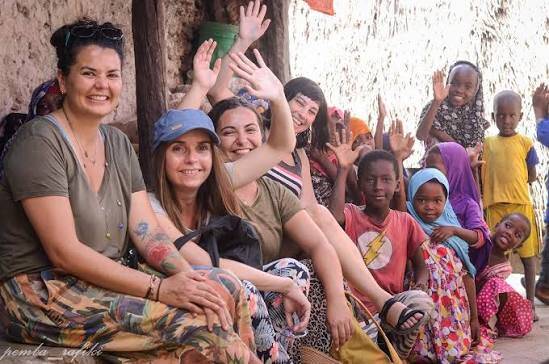
Discover the soul of Pemba Island through a half-day cultural village tour, an immersive experience that connects you directly with the traditions, stories, and daily life of the local Swahili communities. This 4-hour excursion takes you beyond the beaches and into the heart of the island’s vibrant culture, offering a genuine glimpse into the lives of its warm and welcoming people.
Your journey begins with a scenic drive through lush countryside and spice-scented plantations, leading you to one of Pemba’s traditional villages often located near Wete, Konde, Chake-Chake, or Mkoani. Upon arrival, you’ll be greeted by local hosts who will guide you through the community, introducing you to the island’s unique Swahili heritage. As you stroll along narrow village paths, you’ll witness everyday activities such as coconut weaving, fishing net making, and traditional food preparation, all done using age-old techniques.
The tour offers an insightful look at local craftsmanship women weaving mats and baskets from palm leaves, and farmers tending to spice gardens or small-scale crops. You’ll have the chance to visit a local school or market, interact with villagers, and learn about the importance of family, farming, and faith in their way of life.
A highlight of the experience is the cultural exchange enjoys storytelling sessions, Swahili songs, or drumming performances that celebrate the island’s oral traditions and music. Guests are often invited to participate, creating joyful moments of connection and laughter.
Before heading back, you’ll saver traditional Swahili refreshments such as coconut water, spiced tea, and local snacks, served by your hosts as a gesture of hospitality.
Seaweed farms tour

Along Pemba’s tranquil shores, especially around Pemba coastal areas, stretches a fascinating world of seaweed farms vital to both the local economy and the island’s natural ecosystem. This unique tour offers visitors an authentic glimpse into one of Pemba’s most important coastal livelihoods, where women play a leading role in cultivating and harvesting seaweed for export and local use.
Your visit begins with a guided walk through the intertidal zones, where rows of seaweed lines sway gently beneath the shallow turquoise waters. Here, knowledgeable local farmers often women from coastal villages explain how seaweed is planted, tied, and nurtured on ropes until it matures for harvest. You’ll witness the entire process, from collecting and drying the seaweed under the sun to learning how it’s processed into valuable products like soap, cosmetics, and natural thickeners used worldwide.
This experience goes beyond sightseeing it’s a hand on and cultural encounter. Visitors are encouraged to participate by helping tie seaweed lines or assist in sorting and drying, offering a true understanding of the dedication and craftsmanship behind this sustainable practice.
As you stroll along the shore, surrounded by glistening water and the rhythmic hum of village life, your guide shares insights into how this eco-friendly industry supports marine conservation by protecting coastal areas from erosion and promoting biodiversity. Concluding the tour, enjoy a refreshing coconut drink or a light snack with your hosts while discussing their daily life, challenges, and hopes for the future of this green industry.
A Seaweed Farm Tour in Pemba is a rewarding experience that beautifully combines culture, sustainability, and community spirit showing how the island’s people live in harmony with the sea and transform its gifts into something extraordinary.
Sunset Dhow Cruises

Experience the serene beauty of Pemba Island from a different perspective on a traditional sunset dhow cruise. Departing in the late afternoon from coastal points such as Chake-Chake Bay, Mkoani, Makangale, or Fundu Lagoon, this relaxing excursion invites you to unwind aboard a handcrafted wooden dhow the same type of sailing vessel that has glided across the Indian Ocean for centuries. As the sail catches the gentle evening breeze, the dhow moves gracefully across the calm waters, offering sweeping views of Pemba’s lush coastline and remote islets bathed in golden light.
This experience is not just a cruise but a journey through Pemba’s maritime heritage. Dhows have long been a symbol of Swahili culture and trade, connecting the East African coast with Arabia and India. On board, you can feel that living history as your local crew navigates using traditional sailing techniques, often accompanied by soft Swahili melodies that enhance the romantic ambiance.
As the sun begins its descent, the horizon transforms into a canvas of warm oranges, pinks, and purples, perfectly mirrored on the Indian Ocean’s glassy surface. You can relax on cushioned decks, sip a refreshing drink, and enjoy light snacks or tropical fruits served on board. The peaceful rhythm of the waves and the sight of the glowing sun slipping below the horizon create a truly magical and unforgettable moment ideal for couples, photographers, or anyone seeking a quiet connection with nature.
By twilight, the dhow gently returns to shore under a starlit sky, leaving you with a deep sense of calm and appreciation for Pemba’s natural charm. Whether you’re celebrating a special occasion or simply embracing the island’s tranquil spirit, a sunset dhow cruise is the perfect way to end your day in paradise.
Traditional Drumming and Bullfighting

As the golden sun sets over the Pemba horizon, villages come alive with the vibrant sounds of traditional drumming and cultural performances known as Ngoma za Asili. These evening gatherings are a heartfelt expression of Pemba’s deep-rooted Swahili and Shirazi heritage, blending music, dance, and storytelling into one captivating experience. The rhythmic beats of hand-carved drums, the graceful movements of dancers, and the chorus of local songs create an atmosphere filled with energy, pride, and community spirit.
During these performances, men and women dressed in colourful kanga and vitenge perform a variety of traditional dances, each telling a story about daily life, love, celebration, or history. Popular styles include msewe and Kirumbizi show each with its own rhythm and symbolism. Visitors are often invited to join the dance circle, making it a lively and inclusive cultural exchange.
Alongside the music and dance, another fascinating traditional spectacle takes place the Bull fighting (bull play or bull show). This unique Pemba tradition, often held in open village fields during the evening, showcases decorated bulls paraded and guided by skilled handlers to the beat of the drums. The event is not violent; rather, it is a cultural performance symbolizing strength, pride, and community unity. The bulls are adorned with colorful fabrics and ornaments, and locals gather around to cheer, sing, and celebrate.
The combination of Traditional drumming and bull fighting offers an authentic window into Pemba’s traditional life, where art, music, and animal symbolism come together in a joyful celebration. Visitors not only witness the performance but feel the heartbeat of the island a rhythm that connects people, culture, and nature in perfect harmony.
Scuba Diving

Pemba Island is one of the Indian Ocean’s most spectacular diving destinations, renowned for its crystal-clear waters, dramatic underwater walls, and thriving coral ecosystems. Located north of Zanzibar, the island is surrounded by the Pemba Channel, a deep and nutrient-rich stretch of ocean that attracts an incredible variety of marine life. Its remoteness has preserved the reefs in pristine condition, making Pemba a paradise for divers seeking both adventure and tranquillity away from crowded dive spots.
During your diving experience, you’ll explore vibrant coral gardens, steep drop-offs, and dramatic sea walls covered in soft corals and sponges of every hue. Sites such as Misali Island, Njao Gap, Fundu Gap, and Shimba Hills Reef are famous for their exceptional visibility often exceeding 30 meters and for encounters with turtles, reef sharks, barracudas, rays, and schools of tropical fish. The biodiversity here is astonishing, and the calm yet deep waters offer conditions suitable for both intermediate and advanced divers.
Your dive guides, often local experts who know these waters intimately, will brief you on each site’s unique topography and marine life. Between dives, enjoy surface intervals aboard a traditional dhow or motorized boat, surrounded by endless ocean views and gentle sea breezes. Many excursions also include stops for snorkeling or sandbank relaxation, allowing you to enjoy the ocean from every perspective.
Beyond its marine beauty, scuba diving in Pemba is an opportunity to connect deeply with untouched nature. The reefs here are part of protected marine zones that sustain local fishing communities and conserve fragile ecosystems. Whether you’re descending along a coral wall or drifting above a reef plateau, every dive reveals a sense of serenity and wonder that defines Pemba’s underwater world.
This experience is perfect for travelers seeking a combination of adventure, marine discovery, and pristine natural beauty a truly unforgettable highlight of the Zanzibar Archipelago.
Big Game Fishing

Pemba Island, surrounded by the deep waters of the Pemba Channel, is one of East Africa’s best-kept secrets for big game fishing. Located between mainland Tanzania and the island’s western coastline, this channel plunges to depths of over 1,000 meters, creating nutrient-rich currents that attract a stunning variety of large pelagic fish. It’s these same waters that make Pemba a world-class destination for anglers seeking both challenge and adventure on the open sea.
Your fishing experience begins early in the morning, as you board a well-equipped fishing boat from ports such as Mkoani or Wete. Guided by experienced local captains who know the channel’s best spots, you’ll head into the deep blue in search of powerful game fish including marlin, sailfish, yellowfin tuna, wahoo, Dorado (mahi-mahi), and barracuda. Whether you’re an experienced sport fisherman or a first-time enthusiast, the thrill of hooking one of these magnificent creatures in the wild waters of Pemba is truly unforgettable.
Along the way, you’ll witness breathtaking ocean scenery, with flying fish skipping across the surface and seabirds gliding overhead. The crew provides all professional-grade gear and will demonstrate traditional and modern fishing techniques from trolling to deep-sea casting ensuring an exciting yet safe experience for everyone on board. Between catches, enjoy a fresh tropical lunch and refreshments on deck as you soak in the tranquillity of the Indian Ocean. Many tours also offer the chance to release your catch back into the sea, supporting sustainable fishing practices that help preserve Pemba’s marine ecosystem.
Big game fishing in Pemba is more than just a sport it’s a journey into one of Africa’s richest marine environments, where adrenaline meets serenity. For lovers of the ocean and adventure, this experience combines raw natural beauty, local expertise, and the timeless allure of the deep sea.
Pemba Traditional Foods
Zanzibar and Pemba are famous for their stunning beaches, rich culture, and diverse wildlife. But they are also a paradise for food lovers, who can enjoy a variety of delicious street foods that reflect the islands’ history, geography, and influences. From fresh seafood to spicy snacks, from sweet treats to savory dishes, there is something for everyone to try in Zanzibar and Pemba. Here are 20 must-try street foods in Zanzibar and Pemba that will make your mouth water.
SAMAKI WA KUPAKA

ZANZIBAR COFFEE

SPICE PILAU

UROJO ZANZIBAR MIX

VITUMBUA

MUHOGO WA NAZI

MANDAZI

OCTOPUS CURRY

HALWA

WALI WA NAZI

KASHATA

MKATE WA UFUTA

Create Your Own Website With Webador